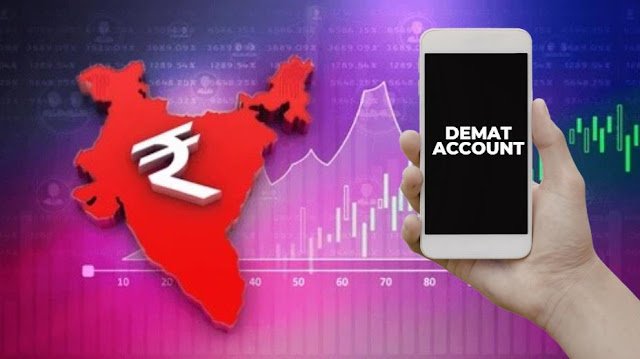

The Indian
stock market is undergoing a major transformation in 2026. New investors are
now looking at cities like Jaipur, Indore and Lucknow. This shift is happening
because of better internet and a strong desire to build wealth. Young
professionals and small business owners in these regions are now looking beyond
gold or fixed deposits. This article highlights the geographical shift in
India’s financial market.
Why Small
Cities are Moving to Equities
Residents
of Tier 2 cities earlier believed that only major city professionals could
trade on the stock market. Now, everything is different. It is easy to trade
from anywhere because of 5G’s speed and user-friendly mobile applications.
Social media and regional language have also contributed to an increase in
financial literacy. People are now aware that equities can yield higher
long-term returns.
Most people begin investing via a digital portal and open a Demat account. These days, this procedure is easy and just takes a few minutes. To
do the digital KYC, all you need is your Aadhaar and PAN card. New investors
have entered the market because of this ease of access.
Comparing
Old and New Investing Methods
The way
people manage their savings has changed significantly over the years. Earlier,
the main goal of investing was safety. People preferred traditional investment
options such as gold, fixed deposits (FDs), and real estate because they were
considered secure and stable. Investments were usually made through physical
bank branches or local agents. Information was mostly shared through word of
mouth, family advice, or financial agents. The overall process was slow,
paperwork-heavy, and often involved higher commissions and fees.
Today, the
focus has shifted toward growth and beating inflation. Modern digital investing
offers access to assets like stocks, mutual funds, and ETFs. Investors can now
use mobile trading apps to buy and sell investments instantly. Real-time data,
market news, and online research tools help individuals make informed
decisions. Transactions are fast and fully digital, and many platforms offer
low or even zero brokerage models. Overall, investing has become more
accessible, affordable, and efficient compared to traditional methods.
Role of
Smart Trading Solutions
People from
Tier-2 cities look for ways to save their money as they enter the market. High
fees can be difficult for a beginner. This is where modern brokers help,
providing advanced features and reliable services. They offer tools that make
trading affordable for everyone, regardless of their budget.
The zero-brokerage trading
account has changed the investment strategy. It
allows new investors to buy and hold stocks without paying high commission
fees. For someone starting with a small amount, saving on brokerage means a
reasonable percentage of their investment is retained. This model is popular in
Tier 2 cities, where cost efficiency is primary.
Key factors
driving the growth:
●
Mobile
First Approach: Apps are now easy to use and
available in local languages.
●
Low Entry
Barriers: You can start investing with
small amounts of money.
●
Faster
Settlements: The T+1 settlement cycle ensures
that you get your money or shares quickly.
Clearing on
Stock Trading Myths
First-time
investors used to worry about the difficulties of the stock market. They
thought hidden costs and complicated paperwork would reduce their savings.
However, the tech-driven and transparent digital platforms have cleared these
doubts. Now, individuals across the country have access to the same market data
as professional traders. This is an important development that is quite helpful
for the modern Indian retail investor.
Digital
Education and Awareness
The most
important tool for this new generation of investors is education. These days, a
lot of platforms provide free video courses and webinars in Tamil, Marathi,
Hindi, and other languages. People can better comprehend complicated concepts
like “market cap” and “dividend” in their native tongue now.
Additionally,
investors are becoming more aware of the risks. They aren’t merely relying on
gratuities anymore. They are instead making use of the technical charts and
fundamental analysis tools that their brokers have recommended to them. This
maturity indicates that the market is becoming less speculative and steadier.
The
Economic Impact of Regional Wealth Creation
The rise of
investing in smaller towns is creating a new wave of local wealth. Now, as
people in Tier 2 hubs invest in successful companies, wealth creation
opportunities are also available in these areas too. This change ensures that
financial gains are more evenly distributed across the country.
A family
with moderate income can also now fund important goals, like education or home
ownership, using their market returns. This shift helps balance the national
economy and reduces the heavy financial pressure on mega-cities.
Conclusion
The future
of India’s economy is moving toward growing urban towns. As technology
advances, the gap between metros and smaller cities has lessened. Platforms
like BlinkX are helping this transition by providing reliable and user-friendly
trading services to everyone. This digital revolution is making every Indian a
part of the country’s financial success.